
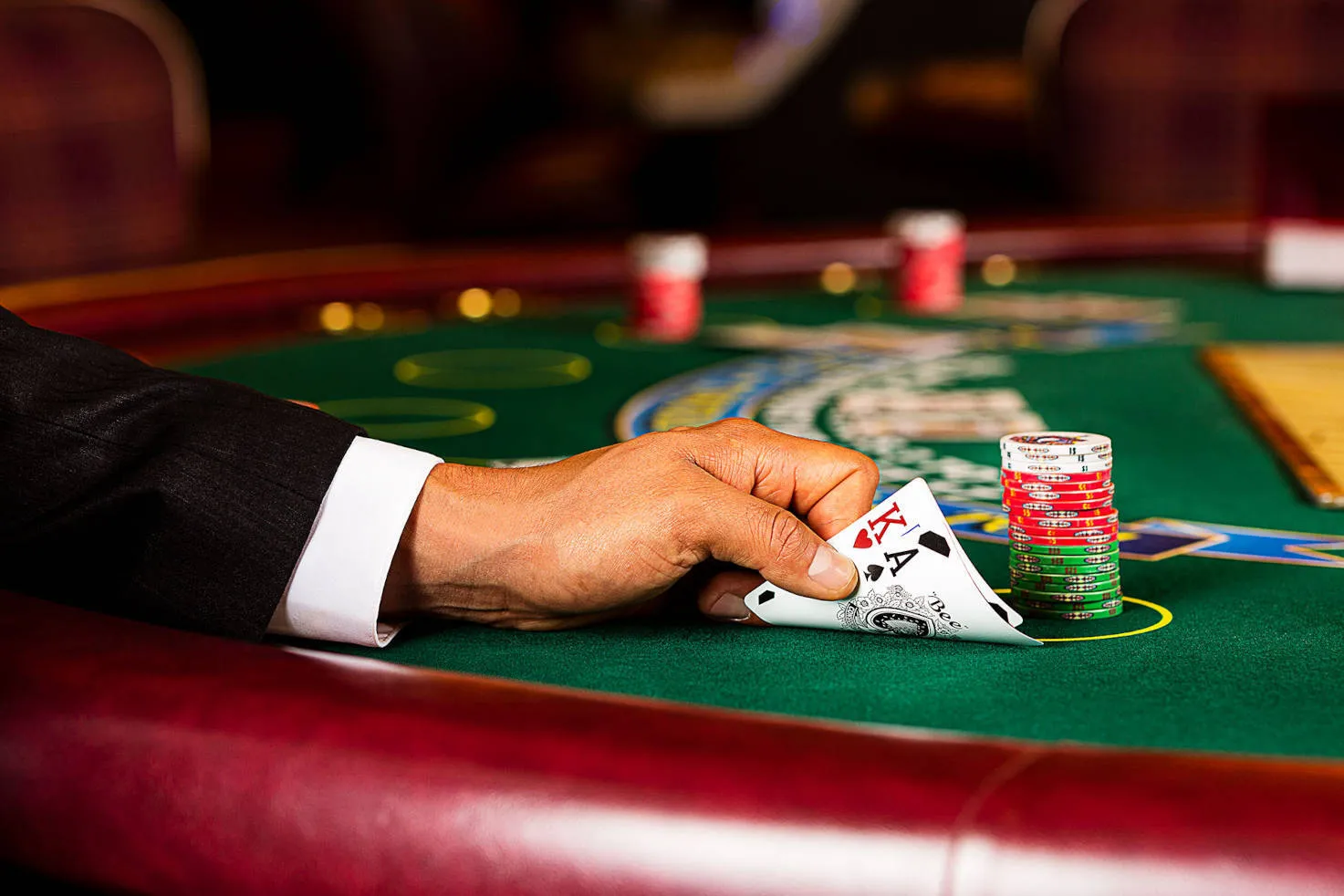
Introduction: A Game of Wit, Not Just Luck
Blackjack, a timeless classic found in both glamorous casinos and online gaming platforms, holds a unique status among card games. It’s elegant in its simplicity yet layered with complexity for those who dare to master it. While often lumped together with games of chance, blackjack is distinct for its strategic depth, where a keen mind can edge closer to victory with every well-timed decision. Whether you’re seated at a table in Monte Carlo or tapping away on a digital deck, the essence of blackjack lies in calculated risks, sharp awareness, and a touch of courage.
The Origins of Blackjack: From Royal Courts to Vegas Lights
Tracing its roots back to early 17th-century Europe, blackjack likely evolved from the French game “Vingt-et-Un” or “Twenty-One.” This early version spread across Europe, capturing the attention of the elite with its mix of luck and decision-making. When the game crossed the Atlantic, American casinos added a twist to entice players: a bonus payout for a hand featuring the Ace of Spades and a black Jack. While that payout has since been retired, the name “blackjack” stuck—and the game flourished.
Understanding the Core: Blackjack Rules and Objective
At its heart, blackjack is deceptively simple. The player’s goal is to beat the dealer by having a hand total closer to 21 without exceeding it. The gameplay unfolds with each player receiving two cards and the dealer revealing one of their own.
Card values follow a simple logic:
-
Number cards (2 through 10) are worth their face value
-
Face cards (Jack, Queen, King) count as 10
-
Aces can count as 1 or 11, depending on the hand
Players may then choose to:
-
Hit – Take another card
-
Stand – End their turn with their current total
-
Double Down – Double the bet and take one final card
-
Split – If holding two of the same card, split into two hands
-
Surrender – Forfeit half the bet and exit the hand early (in some variations)
The dealer must hit until reaching a total of 17 or higher, depending on house rules. Mastery begins with knowing these choices—and when to use them.
Basic Strategy: A Scientific Approach to Decision-Making
Blackjack isn’t just about gut instinct. For the mathematically inclined, there’s a detailed basic strategy chart, developed through computer simulations, which tells you the statistically optimal play for every hand scenario.
A few key rules from this strategic guide include:
-
Always split Aces and 8s, never split 10s
-
Stand on 12 if the dealer shows a 4, 5, or 6
-
Double down on 11 when the dealer’s card is below a 10
-
Avoid insurance—it’s a sucker bet
-
Hit soft 17s against dealer’s 9, 10, or Ace
When used consistently, this strategy narrows the house edge to under 1%, giving skilled players a real chance to win over time.
Card Counting: The Myth and the Method
Immortalized by Hollywood and whispered about in casinos, card counting is a legendary technique. Though it’s not illegal, casinos frown upon it and often ask suspected counters to leave. Yet in truth, card counting is less glamorous than it sounds—it’s a disciplined mental exercise requiring sharp memory and composure.
The most common method, the Hi-Lo system, assigns point values to cards to keep a running count:
-
Low cards (2–6) = +1
-
Neutral cards (7–9) = 0
-
High cards (10–Ace) = -1
As the count climbs, it indicates a deck rich in high cards, favoring the player. While the edge remains slim, experienced counters can make informed betting decisions that gradually tilt the odds.
The Psychology of Blackjack: Discipline Over Emotion
One of blackjack’s most underappreciated dimensions is the mental game. Every decision at the table is influenced not only by the math but by emotion, pressure, and perception. A hot streak can embolden poor decisions, while a cold run may inspire irrational fear.
Successful players know how to manage:
-
Tilt – A state of emotional frustration leading to poor decisions
-
Bankroll – Maintaining discipline over betting, win or lose
-
Focus – Remaining alert despite distractions or fatigue
In blackjack, as in chess or poker, the ability to stay calm and deliberate separates the amateur from the expert.
Etiquette at the Table: Playing with Grace and Respect
Though the game is competitive, blackjack is also a social experience. Maintaining proper etiquette enhances the enjoyment for everyone.
Essential etiquette includes:
-
Use hand signals to declare moves—dealers rely on them
-
Don’t criticize others’ plays, even if it affects your outcome
-
Keep chips organized and within your betting area
-
Always tip the dealer when winning consistently—it’s good form
-
Know the pace of play and avoid unnecessary delays
Good manners not only elevate the gaming experience but also reflect the class and composure of a seasoned player.
Online Blackjack: A New Frontier for Traditional Play
The digital age has ushered in a new era for blackjack. With online casinos and live dealer games, players can now engage with blackjack anytime, anywhere. While the core mechanics remain, the environment shifts dramatically.
Online advantages include:
-
Faster play and more hands per hour
-
Practice modes and lower stakes for beginners
-
No pressure from fellow players or time constraints
However, there are drawbacks. Card counting becomes impractical with reshuffled decks, and the tactile thrill of chips and cards is lost. Still, for many, online blackjack provides a convenient and engaging alternative to brick-and-mortar casinos.
Why Blackjack Stands the Test of Time
Blackjack’s longevity isn’t just due to its widespread availability—it’s the nature of the game itself. Simple enough for beginners yet deep enough to challenge veterans, it offers a compelling blend of skill, suspense, and satisfaction.
Unlike purely chance-based games, blackjack rewards those who study, practice, and refine their approach. It’s a contest not just against the dealer but against one’s own impulses and doubts. That internal battle is part of what makes each hand thrilling, no matter how many times you’ve played.
Conclusion: The Enduring Allure of a Timeless Classic
To the casual observer, blackjack might seem like just another casino game. But beneath the surface lies a world of nuance and discipline, strategy and psychology. It invites players to test their intellect and nerve in equal measure. From smoke-filled casinos to sleek smartphone screens, blackjack continues to captivate—and for good reason.
Mastering blackjack is not about memorizing moves alone. It’s about understanding the rhythm of the game, making decisions with clarity, and embracing the elegant tension that defines every hand. In a world where luck often rules, blackjack offers a rare opportunity: to take control, play with purpose, and walk away knowing that every choice mattered.
