
Introduction: A World of Risk and Reward
The casino is more than a venue for gambling—it’s a carefully orchestrated world of spectacle, psychology, and sensory allure. For some, it represents a chance to defy odds and court fortune. For others, it’s a space of leisure, entertainment, and social engagement. From the opulence of Monte Carlo to the electric pulse of Las Vegas, casinos have long captured the imagination of risk-takers and observers alike. Their appeal lies not just in the games, but in the atmosphere they create—a fusion of anticipation, luxury, and human drama.
A Brief History: From Ancient Wagers to Modern Marvels
Gambling in some form predates recorded history, with early evidence found in Mesopotamian dice and Chinese lottery systems. However, the formal casino, as a dedicated space for gaming, emerged in 17th-century Italy. The term “casino” originates from the Italian word casa, meaning “house,” and originally referred to small country villas or social clubs where leisure activities, including gambling, were held.
The concept quickly spread throughout Europe. In France, games like roulette took root, while Germany developed its own tradition of gaming houses. By the 19th and early 20th centuries, casinos became associated with prestige, attracting aristocrats, financiers, and adventurers. When the casino met the American spirit of entrepreneurship and spectacle, Las Vegas was born—transforming a desert outpost into the world’s most famous gaming capital.
The Casino Experience: More Than Just the Games
Walking into a casino is like stepping into a different reality. Lighting is soft yet theatrical. Music pulses subtly beneath the hum of conversation and the clinking of chips. Time seems suspended—there are no clocks, and windows are rare. Every design element is intentional, engineered to keep players engaged, comfortable, and immersed.
Casinos offer a variety of experiences:
-
Gaming floors feature rows of slot machines, card tables, and roulette wheels
-
Fine dining restaurants and celebrity-chef eateries enhance the sense of indulgence
-
Live entertainment includes concerts, cabarets, and magic shows
-
Luxury accommodations offer everything from spa services to panoramic suites
This multifaceted environment caters not only to gamblers but also to tourists, honeymooners, and business travelers, making modern casinos full-service resorts.
Games of Chance and Skill: A Curated Collection
Casinos are famed for their diverse offerings, from purely chance-based games to those that reward skill and strategy. Each game has its own culture, pace, and allure.
Slot Machines
The most accessible and profitable segment of the casino, slot machines require no experience to play. Today’s machines offer complex themes, vibrant animations, and progressive jackpots. For many, the hypnotic spin of the reels offers simple entertainment and the ever-present hope of a life-changing payout.
Table Games
More social and often more strategic, table games include:
-
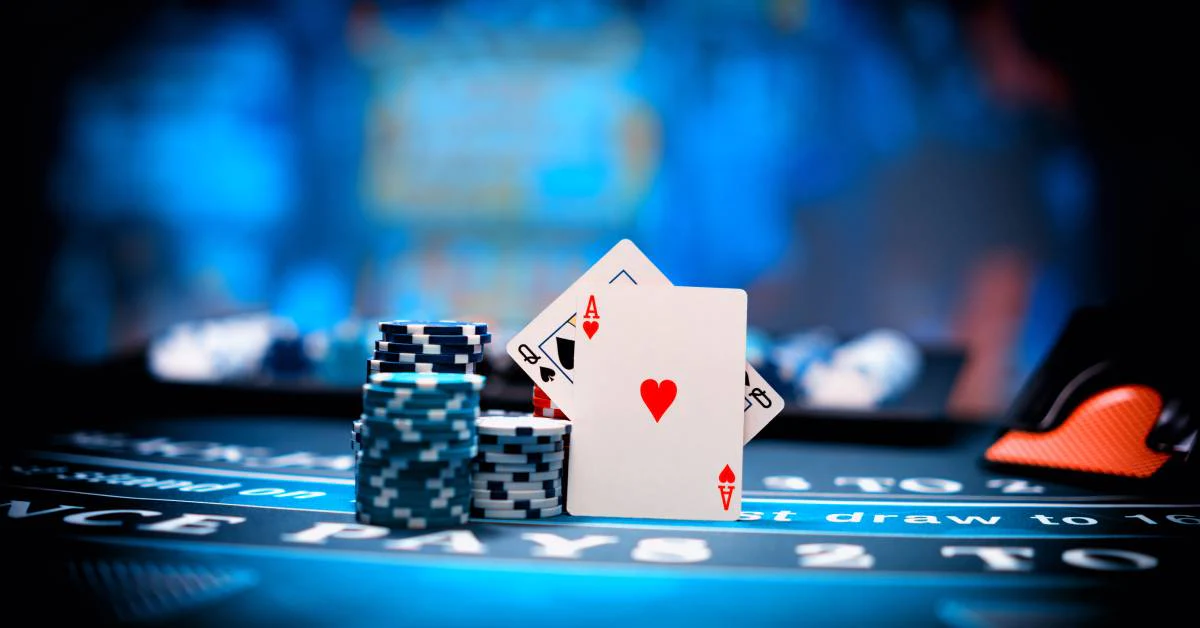
Blackjack – A game of numbers and decision-making where players aim to beat the dealer without exceeding 21
-
Roulette – A game of pure chance where a spinning wheel determines the outcome
-
Poker – Particularly in its Texas Hold’em form, poker is both a psychological duel and a test of skill
-
Baccarat – Favored in high-roller rooms, this elegant card game is steeped in tradition
Each table has its own rhythm and etiquette, often drawing seasoned players who relish the blend of probability and psychology.
The House Edge: Understanding the Odds
Every game in a casino operates with one central principle: the house always has an edge. This mathematical advantage ensures long-term profitability for the casino, even as individual players occasionally win big. The house edge varies by game and even by version, but it is ever-present.
For instance:
-
Slot machines often have a house edge of 5% to 10%
-
Roulette (European version) has a house edge of 2.7%, while the American version rises to 5.26%
-
Blackjack, when played with basic strategy, can reduce the house edge to under 1%
This structure is not hidden—it’s part of the deal. The savvy player understands the odds and plays with discipline and awareness, often prioritizing entertainment over expectation.
The Psychology of the Casino: Architecture of Influence
Casinos are designed to create a seamless and stimulating experience. Every detail, from layout to lighting, is meant to heighten engagement. Curving pathways encourage exploration, while the absence of natural light and clocks subtly dissolves one’s sense of time. Complimentary drinks, loyalty programs, and near-miss outcomes all play into a carefully tuned environment that maximizes dwell time and spending.
This architecture of influence doesn’t aim to deceive but to create an immersive world where guests lose themselves in the experience. It’s this psychological dimension that makes casinos both fascinating and controversial.
Glamour and Culture: The Casino in Popular Imagination
Casinos have long been embedded in the popular imagination. From the tuxedoed elegance of James Bond to the grit of underground poker in film noir, gambling houses evoke stories of risk, rebellion, and redemption. Their cultural footprint extends beyond entertainment—they’ve become metaphors for chance, choice, and fate.
In literature, film, and fashion, the casino is a stage where characters test their luck, reveal their true selves, or unravel entirely. The symbolism is powerful: amid the bright lights and swirling fortunes, the casino becomes a mirror for ambition and vulnerability alike.
The Modern Casino: Evolution and Expansion
In recent decades, the casino industry has undergone tremendous transformation. Legalized gaming has expanded across regions that once viewed it as taboo. Online casinos have introduced digital platforms that replicate (and sometimes enhance) the thrill of in-person gaming. Meanwhile, integrated resort models have turned casino complexes into entertainment meccas with concerts, conferences, and culinary showcases.
Emerging trends include:
-
Virtual reality gaming offering immersive online casino experiences
-
Cryptocurrency integration for faster, more secure transactions
-
Sustainable design as part of eco-conscious resort development
-
Increased regulation and responsible gaming programs aimed at reducing gambling harm
Casinos are no longer confined to neon-lit cities—they’re going global, adapting to new audiences, technologies, and cultural norms.
Conclusion: A High-Stakes Symphony of Experience
A casino is more than the sum of its games. It is a carefully curated world where psychology, architecture, and human behavior converge. For some, it is a temple of luck. For others, a sanctuary of escapism. For a select few, it’s a domain of strategy and mastery.
Whether approached as a pastime or a profession, a spectacle or a story, the casino endures because it offers something elemental: the thrill of uncertainty. In a world often defined by predictability, the casino whispers an irresistible invitation—to take a chance, to test one’s fortune, and to experience the exhilarating dance of risk and reward.
