
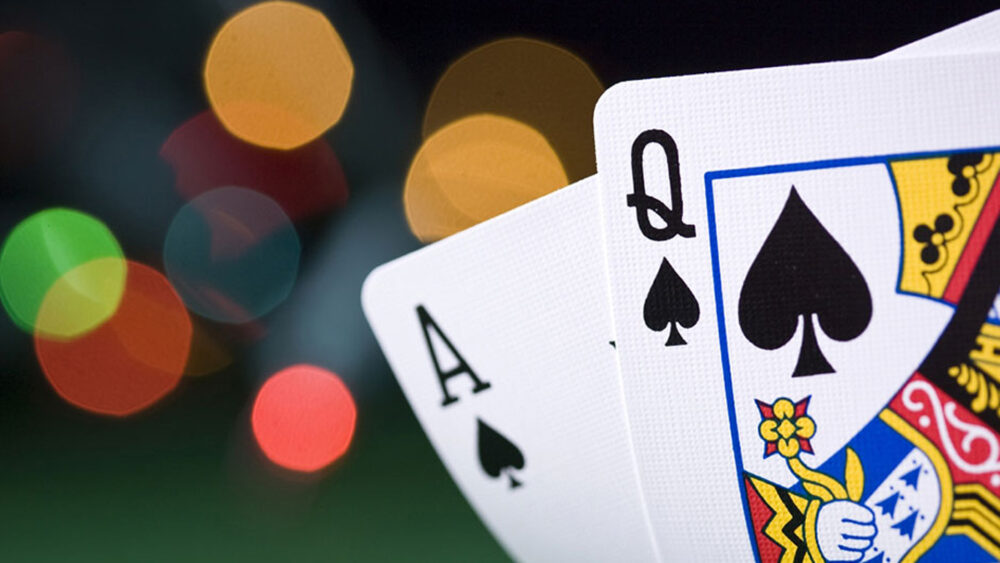
Introduction: More Than Just a Game of Chance
Blackjack, often known as “21,” is more than a casino staple—it’s a fascinating intersection of mathematics, psychology, and human intuition. While it shares the limelight with games of pure chance like roulette and slot machines, blackjack offers something uniquely compelling: the opportunity to influence the outcome through strategy. This distinctive blend of skill and luck is what keeps millions around the world returning to the felt tables, seeking that elusive perfect hand.
A Brief History of Blackjack
The origins of blackjack are somewhat murky, but most historians trace its roots to 17th-century France, where a game called “Vingt-et-Un” (French for “twenty-one”) was played among the aristocracy. It later evolved in Spanish and Italian gambling houses before crossing the Atlantic and embedding itself in American casino culture. Over time, casinos introduced new rules and side bets, ultimately shaping the modern version of blackjack we know today.
Understanding the Basics: Rules and Gameplay
At its core, blackjack is a deceptively simple game. The objective is straightforward: beat the dealer by getting a hand as close to 21 as possible without going over. Each player is dealt two cards, and the dealer does the same, typically with one card face up and one hidden.
Cards are valued as follows:
-
Number cards are worth their face value
-
Face cards (Jack, Queen, King) are worth 10
-
Aces can be worth 1 or 11, depending on what benefits the hand
Players then decide whether to “hit” (take another card), “stand” (keep their current hand), “double down” (double their bet and take one final card), or “split” (if they have two cards of the same value). The dealer must follow a set of rules, usually hitting until reaching at least 17.
Strategic Play: The Backbone of Blackjack
Unlike games dictated entirely by randomness, blackjack offers a unique advantage to players who employ basic strategy—a mathematical guide that outlines the best possible decision for every hand combination against the dealer’s visible card. Developed through extensive probability calculations and computer simulations, this strategy significantly reduces the house edge.
Key components of basic strategy include:
-
Always hit on a hand total of 11 or less
-
Never take insurance
-
Always split Aces and 8s
-
Never split 10s or 5s
-
Stand on 17 or higher when the dealer shows a low card (2 through 6)
Players who religiously adhere to these principles can narrow the house advantage to less than 1%, a rarity in the casino world.
Card Counting: Myth, Method, and Misconception
Perhaps no topic in blackjack garners more intrigue than card counting—a strategy that enables players to keep track of high and low cards remaining in the deck. Popularized by books and films like Bringing Down the House, card counting has an almost mythical aura. Contrary to popular belief, it’s not illegal, but casinos frown upon it and often ban players suspected of employing the technique.
The most common system, the Hi-Lo count, assigns values to each card:
-
Low cards (2–6) are +1
-
Neutral cards (7–9) are 0
-
High cards (10–Ace) are -1
By keeping a “running count” and adjusting bets accordingly, skilled counters can swing the odds slightly in their favor. However, it demands exceptional focus, memory, and discretion.
The Psychological Dance: Dealer vs. Player
Beyond numbers, blackjack is a psychological game. The tension of watching the dealer flip that final card, the mental gymnastics of deciding whether to hit or stand, and the ever-present pressure of the table environment all contribute to the drama.
Dealers, bound by strict rules, are paradoxically both predictable and formidable. Their impassivity, combined with the random nature of the deck, creates a constant push-pull of confidence and doubt within the player. Recognizing patterns, reading table dynamics, and managing emotions can be just as important as memorizing the right plays.
Etiquette and Table Culture
Blackjack tables have a culture all their own. Whether you’re a novice or a seasoned player, observing proper etiquette can make your experience smoother and more enjoyable.
Consider the following unwritten rules:
-
Avoid giving unsolicited advice to other players
-
Never blame the third-base player (last to act) for a dealer’s win
-
Keep your chips neatly stacked and know the minimum bet
-
Use hand signals in addition to verbal declarations to avoid confusion
-
Respect the dealer—good manners go a long way
Online vs. Live Blackjack: A Changing Landscape
The rise of online casinos has transformed how people engage with blackjack. Virtual tables, live dealer games, and mobile apps now offer round-the-clock access to the game. While this convenience is unmatched, it lacks the tactile and communal experience of a live table.
Online platforms also introduce software-driven randomness, eliminating the potential for card counting. Still, many players appreciate the anonymity and pace of online play, especially beginners looking to practice without the pressure of a live environment.
Why Blackjack Endures
Blackjack’s enduring popularity lies in its elegant simplicity and rich strategic depth. It’s a game where knowledge matters, where each hand is a puzzle, and where the line between loss and victory often comes down to a single card. Unlike games driven solely by chance, blackjack rewards patience, discipline, and intellect.
For those seeking more than fleeting excitement, blackjack offers a cerebral challenge wrapped in the thrill of the casino. It’s not just a game—it’s a conversation between chance and choice, chaos and control.
Conclusion: The Timeless Allure of 21
In a world of ever-changing entertainment, blackjack remains timeless. Its rules are easy to learn but difficult to master. It entices the curious and satisfies the analytical. Whether you’re sitting at a velvet-covered table in Monte Carlo or playing a hand on your smartphone at home, blackjack delivers an experience that is at once personal and universal.
Few games strike such a delicate balance between luck and skill, chance and cunning. That, perhaps, is blackjack’s greatest trick—and its greatest triumph.
