
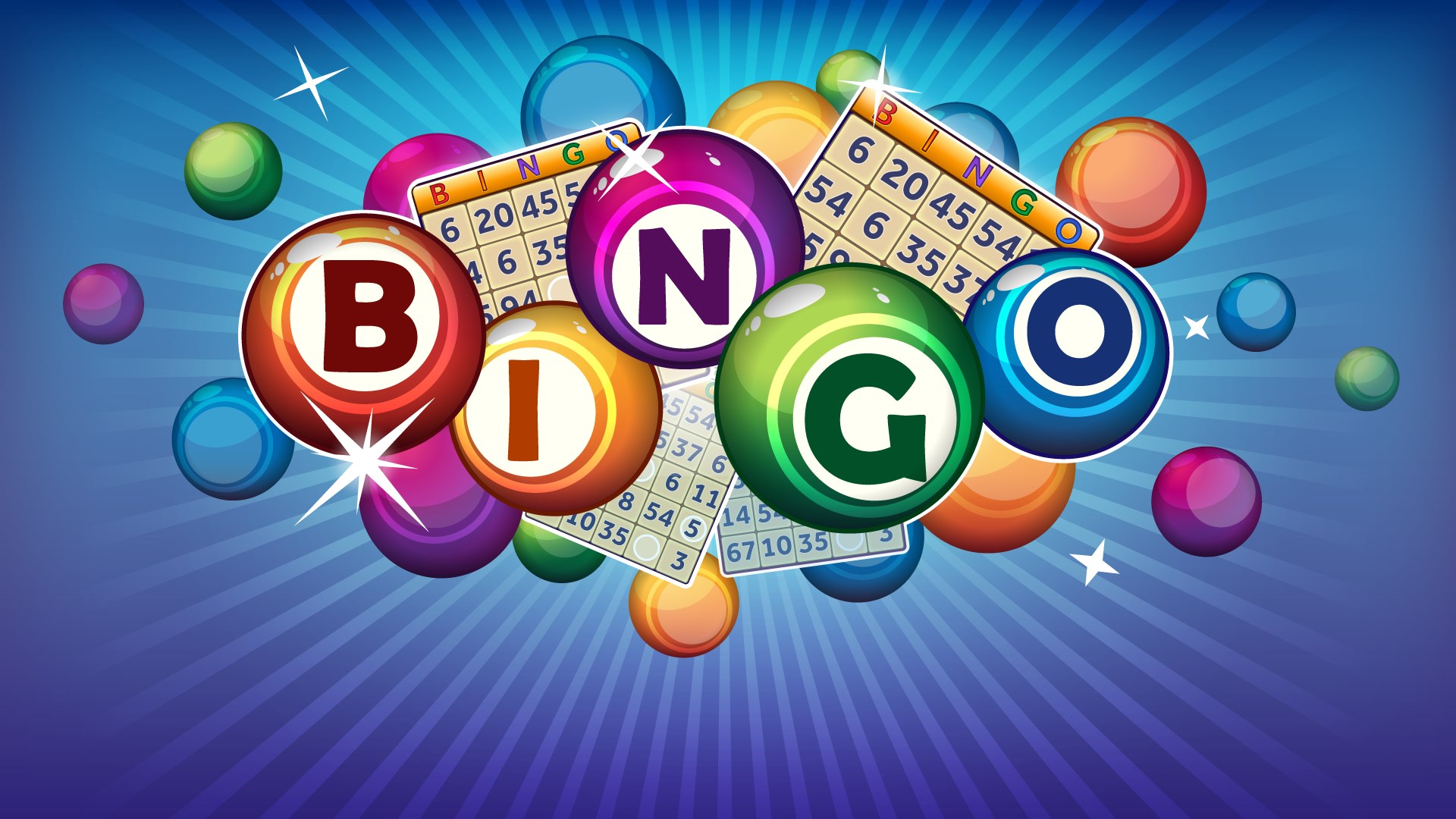
Few games possess the cultural longevity and widespread adaptability of bingo. For generations, the mention of bingo evoked images of smoke-filled community centers, crowded church basements, and elderly players meticulously dabbing paper cards with colored ink markers. It was a social ritual rooted in local neighborhoods and charitable fundraising. Today, that traditional scene coexists with a booming digital empire. Bingo has successfully transitioned from physical cardboard sheets to high-speed mobile applications and immersive online streaming platforms.
Understanding this remarkable transformation reveals how traditional pastimes adapt to shifting technologies and changing consumer habits. From its mysterious historical origins in sixteenth-century Italy to the modern algorithmic architecture powering millions of mobile screens, bingo has proven itself to be one of the most resilient games in entertainment history.
The Historical Roots of Modern Bingo
The journey of bingo spans centuries, evolving through various European cultures before arriving in North America and morphing into the standardized game recognized today.
From Italian Lottery to French Parlors
The lineage of the game traces back to Italy around the year 1530, where a national lottery known as Lo Giuoco del Lotto d’Italia captured the public imagination. By the eighteenth century, this concept migrated to France, where wealthy aristocrats played a modified version called Le Lotto, utilizing cardboard cards and wooden tokens.
The American Carnivals and Edwin Lowe
The modern iteration of the game found its breakthrough in North America during the early 1930s. An entrepreneur named Edwin Lowe discovered a game called beano being played at a carnival near Atlanta, Georgia, where participants marked numbers on cards using dried beans and yelled beano upon winning. Lowe recognized the commercial potential, brought the concept back to New York, and hired a mathematics professor to help generate thousands of unique card combinations. When a winner accidentally shouted bingo instead of beano, the iconic name stuck permanently.
The Golden Age of Community Bingo Halls
Following its standardization, bingo experienced a massive cultural boom throughout the mid-to-late twentieth century. It evolved into a staple community activity across the United States, Great Britain, and other English-speaking nations.
A Powerful Social Anchor
Community centers, fire stations, and church halls relied on weekly bingo nights as primary fundraising mechanisms. Beyond charity, these halls served as vital social hubs where neighbors gathered regularly to converse, share meals, and build community bonds.
The Rituals of Traditional Play
Participating in physical bingo was an active tactile ritual that required specialized equipment:
-
The Dauber: A specialized sponge-tipped bottle filled with brightly colored ink used to mark called numbers quickly.
-
Multiple Cards: Experienced players managed booklets containing dozens of cards simultaneously, requiring intense hand-eye coordination and peripheral vision.
-
Physical Cages: The host manually spun a wire cage containing wooden balls, drawing them out one by one and announcing them over a microphone.
The Digital Migration and Early Online Platforms
As the internet revolutionized the entertainment landscape during the late 1990s and early 2000s, traditional industries were forced to digitize or face obsolescence. Bingo was among the first tabletop games to embrace the web.
Early Website Limitations
The first generation of online bingo sites replicated physical halls by building simple, text-based chat rooms paired with digital card grids. While primitive by today’s graphic standards, these early platforms proved that players were eager to experience their favorite game from the comfort of home.
Introducing Automated Daubing
Online platforms introduced software innovations that fundamentally changed gameplay mechanics. Players no longer needed to worry about missing a number because digital systems offered automated daubing options. This shift opened the game to broader audiences who preferred relaxed entertainment over the frantic pace of managing physical cards.
The Mobile Revolution and Gamification
The true golden age of digital bingo arrived with the proliferation of smartphones and high-speed mobile data networks. Software developers transformed bingo from a static desktop website experience into a dynamic, highly engaging mobile ecosystem.
Modern App Store Innovations
Today, mobile app stores feature hundreds of specialized bingo variants designed specifically for touchscreen devices. Developers integrated vibrant color palettes, themed storylines, power-ups, and competitive multiplayer tournaments that appeal to younger, digitally native demographics.
The Power of Social Integration
Modern bingo apps leverage social media integration, allowing users to play alongside friends across the globe, send daily virtual gifts, and participate in global seasonal events. This modern design philosophy successfully blends traditional social interaction with instant-gratification mobile gaming mechanics.
The Future Horizon of Immersive Bingo
As technology continues to march forward, the boundaries of digital bingo are expanding into new technological frontiers, promising even more immersive experiences for modern players.
Virtual Reality and Live Streaming
Developers are currently experimenting with virtual reality bingo halls that replicate the physical warmth of traditional community centers in a fully rendered digital space. Meanwhile, live-streamed studio bingo hosts combine television game show production values with real-time chat interaction, bridging the gap between physical and digital play.
Sustaining Enduring Appeal
Despite rapid technological shifts, the core emotional appeal of bingo remains unchanged. Whether played with an ink dauber in a crowded hall or via a touch screen on a mobile device, the universal thrill of waiting for that final matching number continues to unite generations.
Frequently Asked Questions
Why was the game originally called beano before becoming bingo?
The game was called beano at American carnivals because participants used dried beans to cover the numbers on their cardboard scorecards before a winner accidentally shouted bingo.
How did mathematics play a role in standardizing modern bingo cards?
A Columbia University math professor helped Edwin Lowe calculate over six thousand unique number combinations to ensure that multiple players would rarely hit a winning pattern simultaneously.
Do online mobile bingo games use random number generators?
Yes, licensed online and mobile bingo applications rely on certified random number generators to ensure that every ball draw is completely unbiased and statistically fair.
What caused the decline of traditional physical bingo halls?
The rise of digital mobile gaming, changing social habits, and the convenience of playing from home contributed to a gradual decline in traditional physical community hall attendance.
Are there different regional variations of bingo rules played globally?
Yes, American bingo typically features a seventy-five-number grid with a free space in the center, while British and European versions commonly use a ninety-number grid formatted differently.
How do modern mobile bingo apps generate revenue if many are free to download?
Most free-to-play mobile bingo apps generate revenue through optional in-app purchases, power-up sales, digital currency packs, and targeted advertising displayed between gaming rounds.
