
Introduction: A Spin Beyond Mere Luck
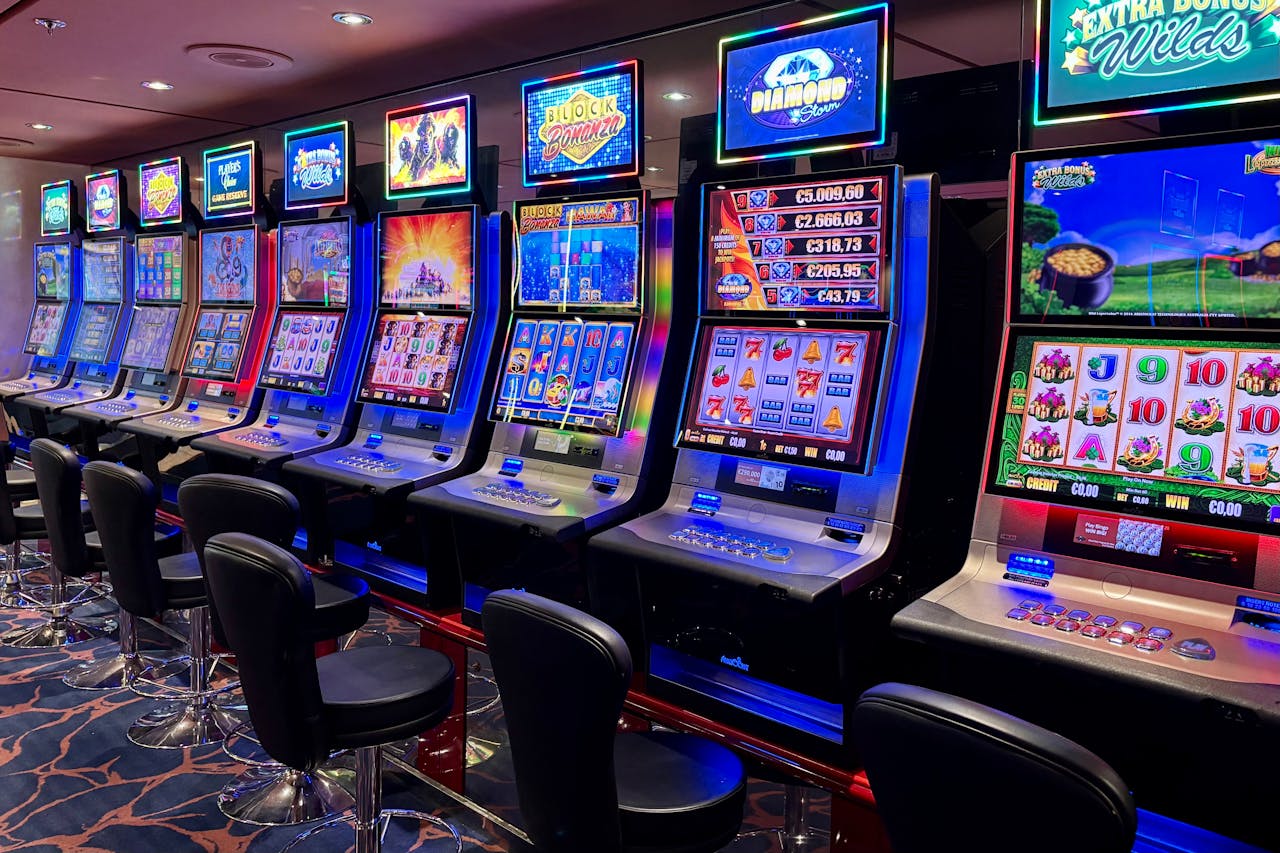
If there is one image that instantly evokes the spirit of the casino, it is the glimmering, chattering slot machine. Whether nestled in a glamorous Las Vegas hall, sitting quietly in a small-town bar, or illuminating the corner of a digital screen, slot machines have transcended their humble mechanical beginnings to become a cultural icon — equal parts entertainment, escapism, and revenue juggernaut. To the casual observer, slots appear deceptively simple: insert a coin, press a button, watch the reels spin. But beneath those spinning symbols lies a fascinating intersection of human psychology, technological innovation, and finely tuned mathematics.
Origins: From the Liberty Bell to a Billion-Dollar Industry
The story of the slot machine begins in late 19th-century America with Charles Fey, a mechanic working in San Francisco. His invention, the Liberty Bell, arrived in 1895 and featured three spinning reels adorned with symbols like diamonds, hearts, spades, and the famous cracked bell. Players would pull a lever — a ritual that gave rise to the affectionate term “one-armed bandit” — and if three Liberty Bells lined up, they would win the highest payout.
This humble machine laid the foundation for an industry that would explode in popularity throughout the 20th century. By the 1960s, mechanical slots gave way to electromechanical versions, paving the way for the digital slot revolution of the 1980s and beyond. Today, slots come in an astonishing variety of themes and formats, from nostalgic fruit machines to video slots brimming with movie characters and cinematic storylines.
How Slots Actually Work: The Mechanics of Modern Magic
While the flashing lights and reels suggest randomness and chance, modern slots are anything but mechanical guesswork. At their core sits the Random Number Generator (RNG), an algorithm that continuously produces thousands of number sequences every second, even when no one is playing. The moment you hit ‘spin,’ the RNG freezes on a number that determines where the reels will stop.
Key Features of Modern Slots
-
Reels and Paylines: Early slots had a single payline; now, video slots can offer up to hundreds of paylines, multiplying the ways to win.
-
Wilds and Scatters: These special symbols add excitement. Wilds substitute for other symbols, while scatters often unlock free spins or bonus rounds.
-
Bonus Games: Many modern slots include interactive features — pick-and-win mini-games or expanding reels that boost potential payouts.
-
Progressive Jackpots: Some slots are linked across multiple machines or online platforms, creating jackpots that can swell to millions.
This blend of simple gameplay and sophisticated design keeps players entertained while ensuring the house edge remains firmly intact.
Why We Love Slots: The Subtle Science of Player Engagement
Slot machines are the casino’s ultimate seduction tool — bright, approachable, and easy to play. But their enduring popularity stems not just from the thrill of winning, but from the way they are engineered to tickle the human brain.
Psychological Hooks of Slot Machines
-
The Near Miss Effect: Just missing a winning combination stimulates the brain’s reward centre, encouraging players to keep spinning.
-
Frequent Small Wins: Regular low-value wins make players feel they’re constantly on the verge of something bigger.
-
Sensory Design: Every element — the lights, music, and celebratory jingles — is crafted to keep energy high and spirits lifted.
-
Low Barrier to Entry: Slots require no strategy, no intimidating dealers, no other players watching. Anyone can sit down and play within seconds.
For many, this makes slots relaxing entertainment rather than a competitive pursuit, unlike poker or blackjack where skill and decision-making can be daunting.
Slot Machines as Economic Powerhouses
In the vast economy of the gaming industry, slots reign supreme. While table games like roulette or baccarat might exude sophistication and draw glamorous crowds, slots often account for 60% to 80% of a casino’s revenue. Unlike a poker room, slots need no dealer, no floor manager, and they can run around the clock with minimal maintenance.
Why Slots Dominate
-
Continuous Play: A player can spin hundreds of times in an hour, generating constant turnover.
-
Flexible Stakes: From penny slots to high-limit machines, there’s a slot for every budget.
-
Strategic Placement: Casinos arrange the most enticing machines in high-traffic areas to catch passing players.
This steady stream of small bets adds up to billions each year, funding the elaborate spectacles that define destinations like Las Vegas and Macau.
The Digital Transformation: Slots Go Online
The dawn of online gambling transformed the humble slot machine into a global pastime accessible at home or on the go. Online slots now make up one of the largest segments in the digital gaming market.
What Makes Online Slots Appealing
-
Infinite Variety: Developers constantly launch new themes — from ancient mythology to blockbuster films.
-
Interactive Features: Online slots often have intricate bonus games, animated sequences, and storylines.
-
Attractive Bonuses: Online casinos compete fiercely by offering free spins, welcome bonuses, and loyalty rewards.
-
Accessibility: Players can spin the reels from their sofa, during lunch breaks, or on a mobile device while commuting.
Yet, the digital revolution also means faster gameplay, instant deposits, and round-the-clock access, heightening the need for responsible gambling measures.
Playing Smart: Keeping Slots Fun
The simplicity of slots can make them deceptively absorbing. A few best practices help players keep their experience fun and in perspective.
Tips for Responsible Slot Play
-
Set a Limit: Decide beforehand how much you’re willing to lose, and stick to it.
-
Understand Payouts: Familiarise yourself with Return to Player (RTP) percentages. Higher RTP generally means better odds over the long run.
-
Resist Chasing Losses: Accept wins and losses as part of the game.
-
Take Breaks: Slot sessions can pass in a blur — pause, step back, and stay mindful of your time.
At its best, spinning the reels should be entertainment, not a strategy for guaranteed profit.
The Future of Slot Machines: Innovation Continues
Slot machines are not standing still. Developers now experiment with virtual reality slots, immersive 3D graphics, and social features that allow players to share wins with friends. The next generation of slots may blur the lines between video gaming and gambling even more, appealing to younger, tech-savvy audiences who expect interactivity and narrative depth.
Meanwhile, regulators and casinos alike are focusing on transparency, fair play, and tools to help players control their spending. It’s an evolution that aims to preserve the magic of the spin while protecting those who might be vulnerable to its charms.
Conclusion: The Enduring Spin
From Charles Fey’s Liberty Bell to the cutting-edge digital slots of today, the spinning reels have remained remarkably true to their original promise: a simple game of chance that transforms a small wager into a moment of hope, excitement, and possibility. The next time you hear the jingle of a payout or watch those symbols roll to a halt, you’re witnessing a ritual as enduring as any in the world of leisure — a spin that, for just a moment, makes fortune feel within reach. And perhaps that timeless hope is why, no matter how technology or tastes change, the slot machine’s reels will keep spinning long into the future.
